
What We Do.
The Catholic Sisters Network Against Gender Based Violence (CSN-AGBV), in partnership with the Holy Spirit Sisters of Mugumu Parish, Immaculate Sisters of Africa (IHSA-Nyarigamba), evangelizing Sisters of Mary (Nyamongo Parish), Rosana Sisters (IHSA-Convent), Baraki Sisters farm and the Jipe Moyo Center, together with the Mara Regional government, is implementing a community educational empowerment initiative project. This project aims to eliminate Female Genital Mutilation (FGM) in the districts of Tarime, Serengeti, Rorya and Butiama in the Mara region from November 2025 – 2026.
1. Prevention
Addressing the root causes of gender-based violence and stopping it before it occurs. Efforts in this area include:
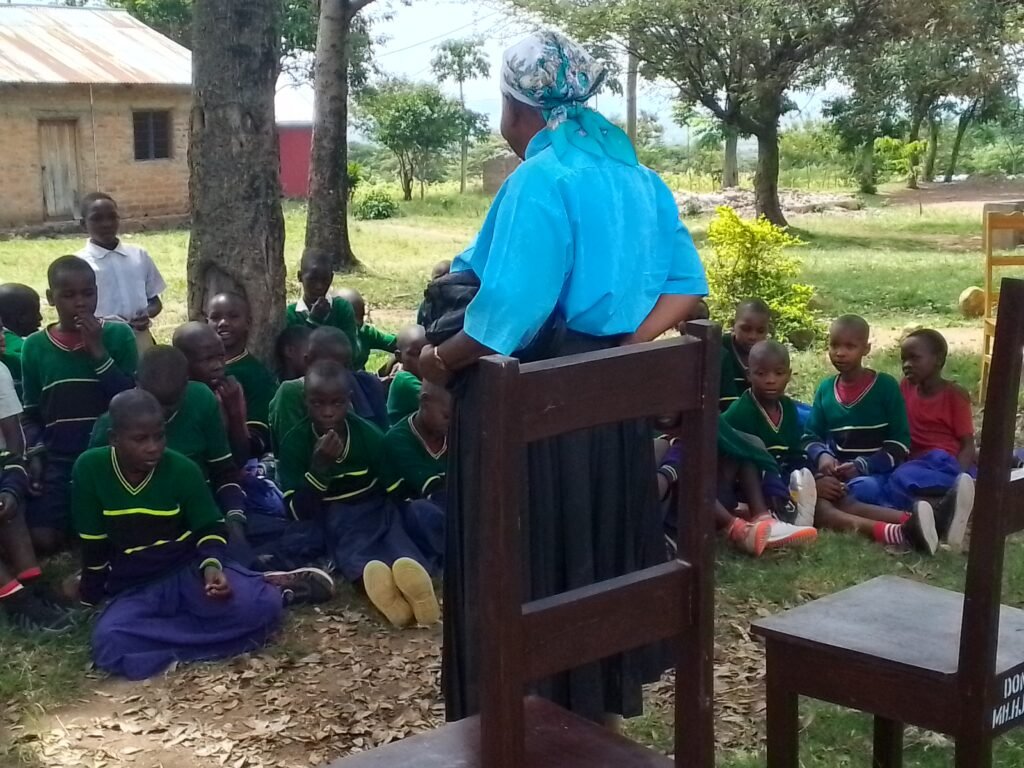
- Awareness Campaigns: Educating communities about GBV, its negative effects, and the importance of gender equality. This can be done through, community outreach programs, and school-based education.
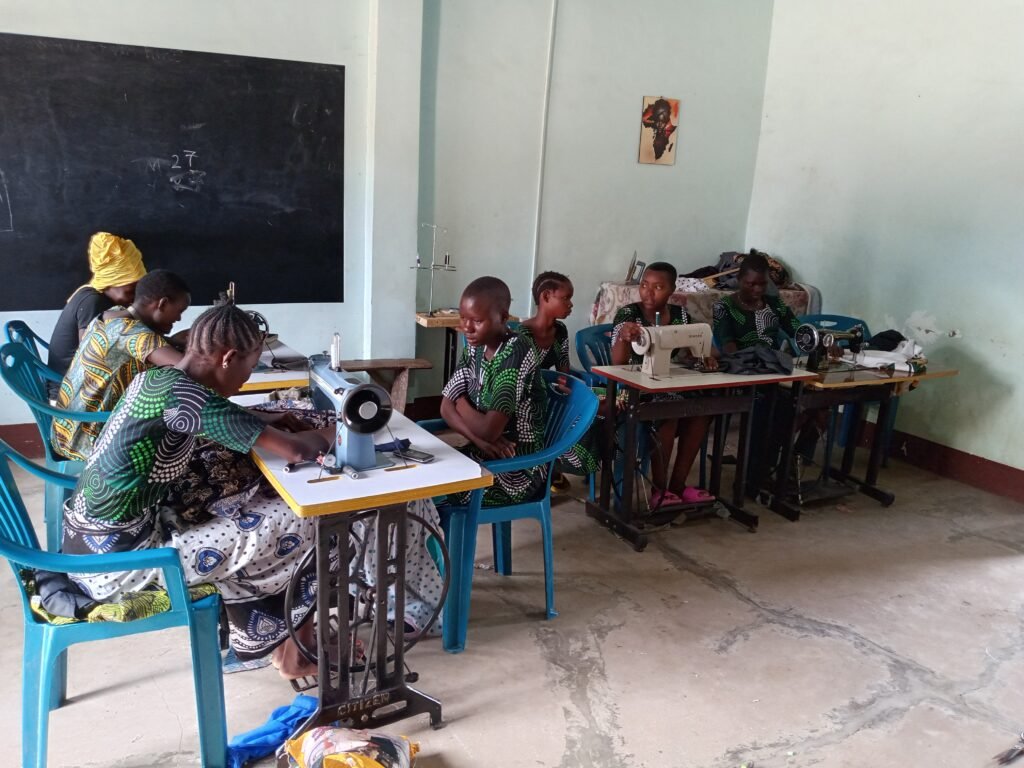
- Empowering Women and Girls: Promoting education for girls and economic empowerment programs such as tailoring, cooking, and computer skills etc to empower them reduce their vulnerability to GBV.
- Challenging Harmful Cultural Norms: We fight against any form of GBV such as female genital mutilation (FGM), child marriage, Child labor, and protecting human rights. Prevention efforts include engaging community leaders and elders to challenge these harmful traditions.
- Engaging Men and Boys: Promoting positive masculinity and involving men as allies in the fight against GBV by establishing sports and games, creating child protection desks in schools to help reduce violence.
- Capacity Building: Training local authorities, health workers, and educators to recognize signs of GBV and intervene appropriately
2. Protection
We focus on safeguarding survivors of GBV to ensure they have access to support and justice. In Tanzania, protection strategies might include:
- Safe Spaces for Survivors: We have established shelters and safe houses for Girls especially for FGM cases fleeing abusive situations at Jipemoyo center located in Musoma Municipal and TFGM Masanga located in Tarime District.
- Access to Services: Providing survivors access to medical care, psychological counseling, and legal aid.
- Strengthening Legal Protections: Cooperate with government in enforcing laws that criminalize GBV and ensuring survivors can report violence without fear of retaliation.
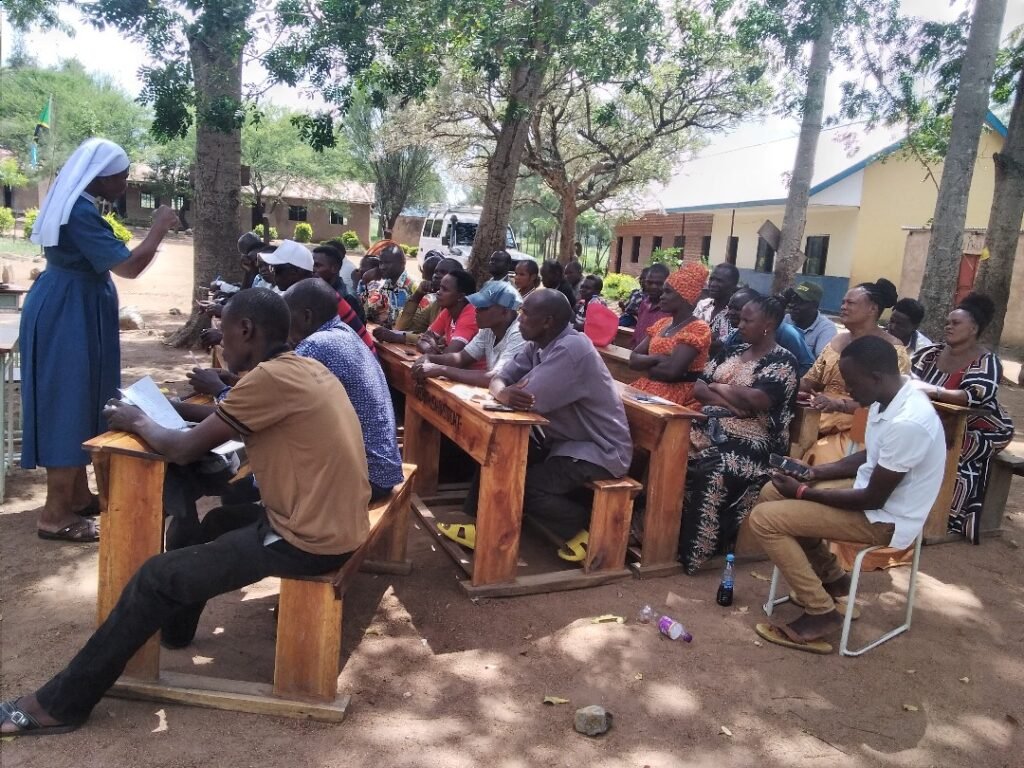
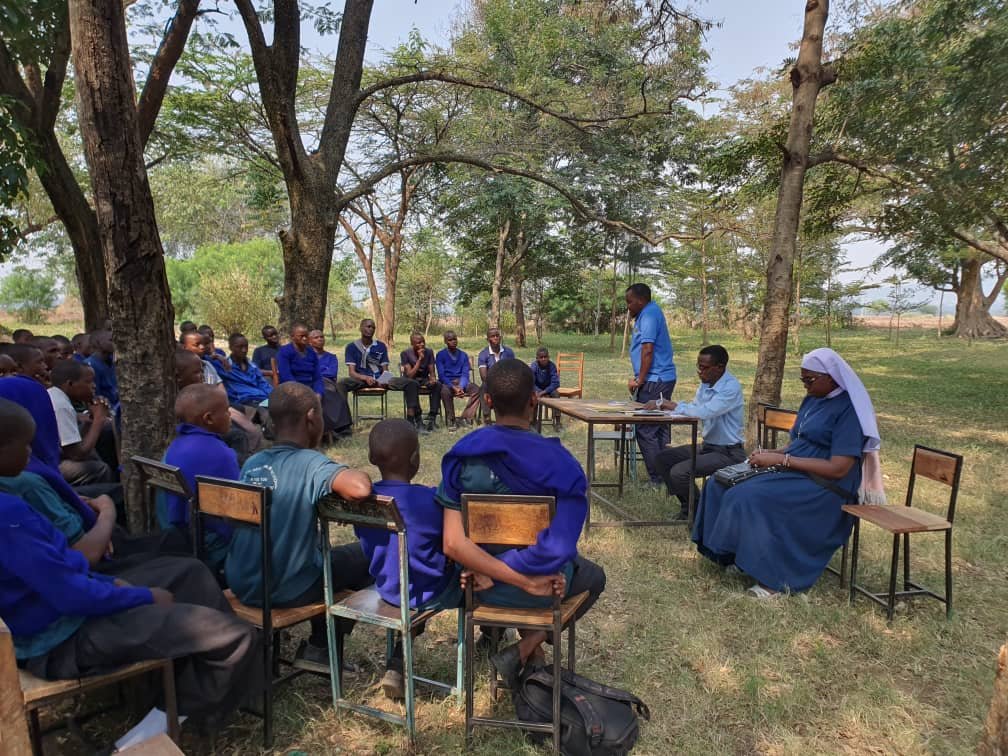
- Community-Based Watch Programs: Creating local networks of trained community especially in school, who can intervene or report cases of GBV, by establishing child protection and safety desks inside and outside of the school compound, including suggestion box.
- Support for Vulnerable Groups: Providing special attention to marginalized groups, such as: children with disabilities, elderly, and people living in rural areas, who may face barriers to protection. We often educate our collaborators on policies protecting vulnerable people inside and outside of working place as well as in the community.
3. Prosecution
Prosecution focuses on holding perpetrators of GBV accountable through the legal system, which could involve:
- Action taking: Working together with government and police officers to ensure people involved in GBV cases are held accountable, so as to reduce GBV cases.
- Strengthening Legal Frameworks: Collaborating with government to ensure that the laws addressing GBV are enforced effectively.
- Reducing Barriers to Justice: Addressing challenges such as bribery, corruption, or stigma that prevent survivors from accessing justice through community education.
- Monitoring and Evaluation: Tracking and reporting on GBV cases to improve accountability and detect patterns of abuse.
4. Partnership
We partner and collaborate with various stakeholders to combat GBV more effectively including:
- Government and non-governmental organizations (NGOs) specializing in GBV prevention and survivor support. Like Jipe Moyo Center and Daughters of Charity of St Vincent De Paul (ATFGM MASANGA)
- Community Leaders: We engage traditional and religious leaders to advocate for gender equality and denounce GBV in all areas.
- International Organizations: Collaborating with global organizations like Conrad Hilton Foundation to leverage resources and expertise to end FGM.
- Private Sector Involvement: Welcoming businesses to support CSN-AGBV initiatives through funding, or workplace policies to eliminate GBV.
- Multi-Sectoral Approach: Collaborate health, education, and justice sectors in addressing GBV.