OUR PROJECT FOCUS
The Catholic Sisters Network Against Gender Based Violence (CSN-AGBV), in partnership with the Holy Spirit Sisters of Mugumu Parish, Immaculate Sisters of Africa (IHSA-Nyarigamba), evangelizing Sisters of Mary (Nyamongo Parish), Rosana Sisters (IHSA-Convent), Baraki Sisters farm and the Jipe Moyo Center, together with the Mara Regional government, is implementing a community educational empowerment initiative project. This project aims to eliminate Female Genital Mutilation (FGM) in the districts of Tarime, Serengeti, Rorya and Butiama in the Mara region from November 2025 – 2026.
Prevention of Female Genital Mutilation (FGM) in Tanzania
From November 2025 – October 2026
Our focus was to register and strengthen a network of sisters congregations to provide support and service to at risk girls and increase community awareness and action towards the prevention of Female Genital Mutilation in Tanzania.
ACTIVITY:
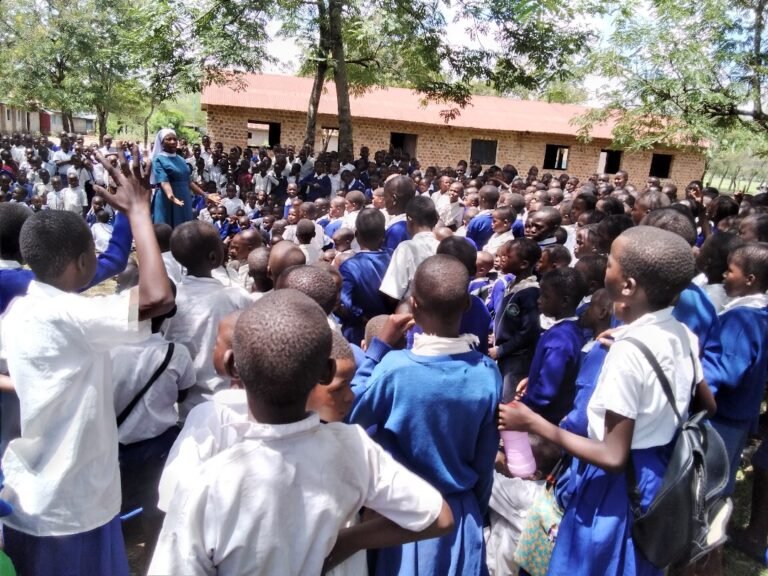
- Sensitization girls and boys on the dangers and damage of FGM
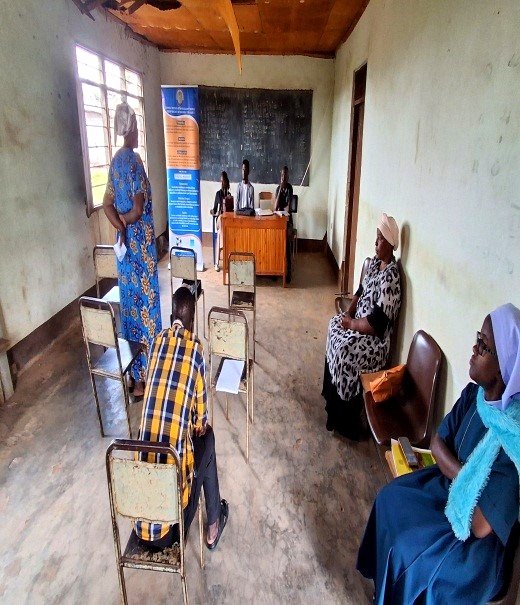
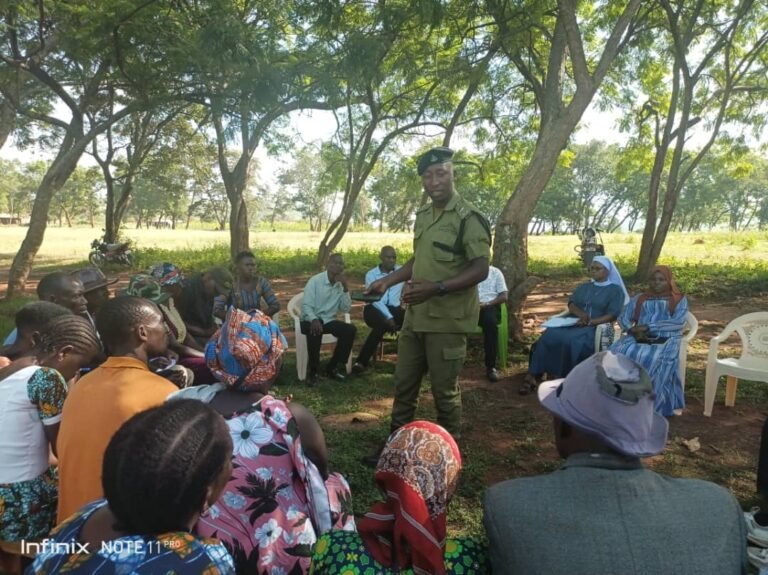
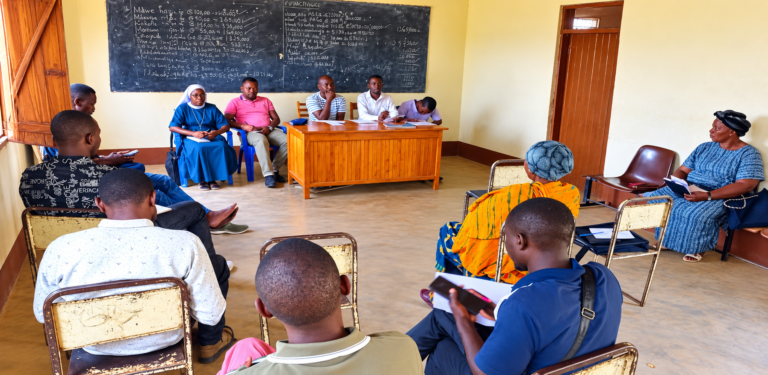
- Educating local Government leaders
- Rescuing, shelter and training girls at risk of FGM
OUTCOME
Immaculate Heart Sisters of Africa (IHSA) in collaboration with Jipe Moyo Center, Evangelizing Sisters of Mary (Nyamongo Parish), Holy Spirit sisters (Mugumu Parish), Rosana sisters (IHSA-Convent), Baraki Sisters Farm and Local Government of Tanzania, successfully reached 3,537 children (1,573 boys and 1,964 girls) as direct beneficiaries, together with 401 indirect beneficiaries, through awareness-raising sessions on the health risks and harmful consequences of Female Genital Mutilation (FGM), children’s rights, gender equality, and sexual and reproductive health. The Intervation was implemented in 54 schools (33 primary and 21 secondary schools) across Tarime, Serengeti, Butiama and Rorya Districts in Mara Region.
The sensitization activities significantly strengthened children’s knowledge and understanding of health, social and human rights consequences of FGM. Increased awareness also contributed to improve reporting of protection concerns, with students reporting FGM-related cases. All reported cases were addressed in accordance with established procedures and national laws.
A key factor contributed to this achievement was the establishment of 54 child protection and safety desks within the targeted schools, 772 children were reached as pee educators in schools, in line with national guidelines. these desks provided safe and accessible spaces where children could seek information, disclose concerns and report cases of FGM and other child protection violations. 112 artistic performances including songs, poems, dramas and other creative presentations, were developed and used to communicate anti-FGM messages in an engaging and child friendly manner. These approaches encouraged dialogue among students, teachers, parents, community members and other stakeholders, while contributing to challenging harmful social norms and practices.
The project strengthened the knowledge, capacity, and commitment of 62 government and local leaders from Tarime, Rorya, Serengeti and Butiama districts in Mara Region. The participants included 1 Ward Executive officers, 38 village Executive officers, 6 District social Welfare Officers, and 6 District Community Development Officers.
In collaboration with district authorities, the project conducted sensitization through dialogue sessions on the health risks, human rights implications and harmful consequences of FGM. The sessions also emphasized the importance of promoting alternative Rites of Passage (ARP) as a result, leaders increasingly incorporated these issues into village assemblies, ward meeting and other community forums, creating regular opportunities to raise awareness, challenge harmful social norms and promote the protection of girls and women.
A significant outcome of this engagement was the issuance of 17 public statements and commitments by government and local leaders opposing FGM. These commitments demonstrated increased leadership ownership and strengthened the visibility of FGM prevention within local government and community development priorities.
The leadership engagement model has strong potential for replication and scale up because it builds on existing local government structures and community dialogue platforms rather than creating parallel systems. The same dialogue and advocacy approach can be extended to additional ward and district level leaders, enabling broader institutional ownership and sustained action against FGM.
In partnership with government authorities and local child protection actors, the project identified and rescued 247 girls who were at high risk of FGM. The girls were provided with temporary safe shelter and protection at Jipe Moyo Centre, where they received comprehensive support to ensure their safety, recovery, protection and empowerment. They were also supported through alternative Rites of Passage (ARP) as safe and empowering alternative to FGM.
While at the center, the girls received counselling, psychosocial support, life skills education and information on their rights and protection from harmful practices. These interventions contributed to improved emotional well-being, self-confidence, resilience and awareness of their rights. The ARP approach further provided an opportunity for the girls to transition safely while reinforcing positive values and rejecting harmful practices.
To strengthen their long-term resilience and economic independency, 87 were also trained and taken through an alternative rite of passage including being enrolled into vocational skills such as tailoring trainings and cookery course, where they acquired practical and market-oriented skills to enhance their future livelihood opportunities and reduce their vulnerability to harmful practices.
The project also facilitated family assessment and reintegration processes involving parents, guardians, community leaders, social welfare officers and other relevant child protection stakeholders. Girls were safely reintegrated into their families under agreed protection, monitoring and follow-up arrangements.
This achievement was made possible through the establishment of a structured and coordinated protection pathway linking identification and rescue, immediate protection, recovery, empowerment, alternative Rites of passage, and safe reintegration. Strong collaboration with government child protection procedures enabled the project to identify girls at risk, facilitate timely referrals and coordinate appropriate protection and case management services.


SUCCESS STORIES!
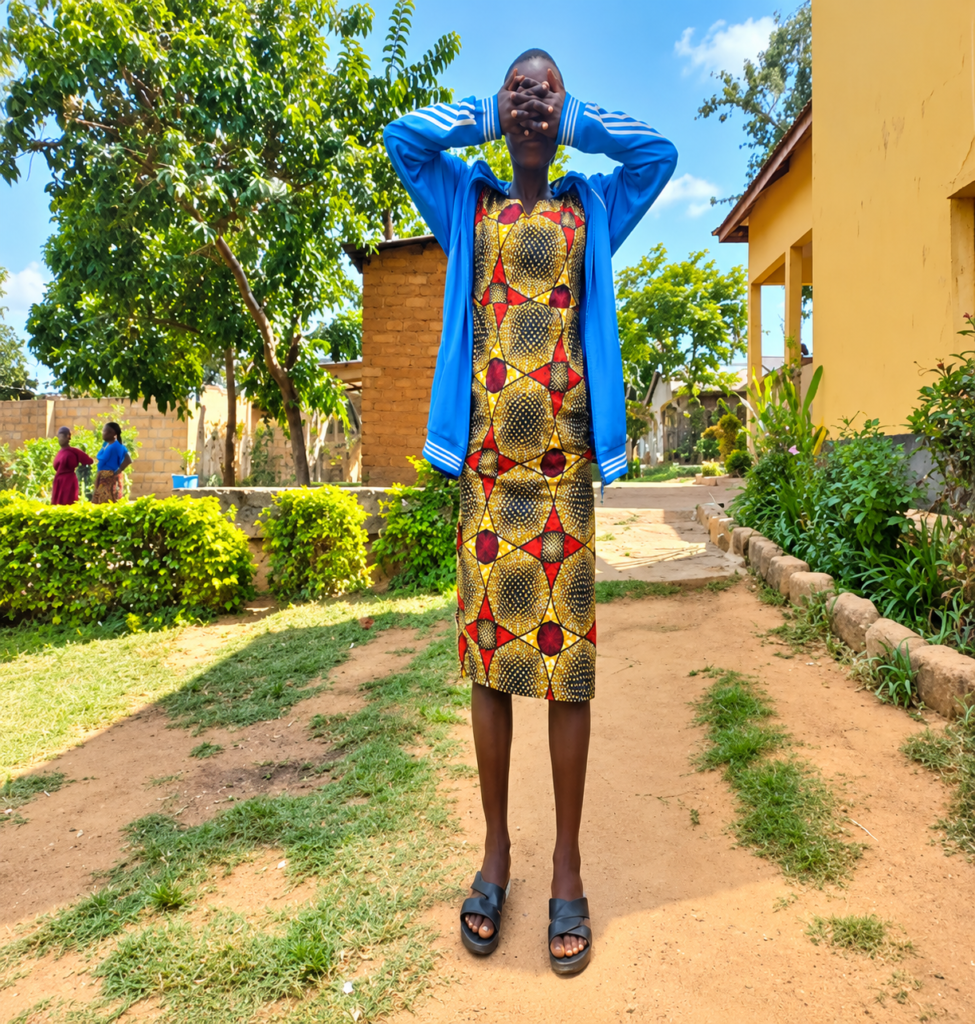
First Success Story
Child’s journey to safety and Empowerment. |
I am 16 years girl fom Buswahili village in Butiama District. I come from a village where female genital mutilation (FGM) has been practiced for generations as a cultural rite of passage for girls. FGM posed a serious threat to my health, education and future. My parents insinsted that i undergo the procedure and when i refused, they stopped providing school materials and refused to buy my school uniform.
“I felt like my dreams were slipping away; I couldn’t even attend classes without the basic school supplies.”
She said, I lived in fear, isolated and powerless, ensure of how to continue my education or protect myself from this harmful practice.
I first learned about Jipe Moyo Centre through a school-based awareness program. During the sessions, facilitators explained the dangers of FGM, children’s rights and safe alternative such as the alternative Rites of passage. “For the first time, I realized that I could say no to FGM and still have a future,
“She says, I approached Jipe Moyo Centre to seek help and protection, hoping to continue my education safely.”
She was provided a safe shelter where she could live without fear. She received psycho-social counselling, life skills training in tailoring, which gives her practical skills and a sense of independence. Life skills sessions on reproductive health, self -esteem and children’s right help me regain confidence. “The Centre has given me hope and strenght to dream again.” She was quoted saying she is now continuing with her tailoring class and actively learning skills that will help her in the future. She feels empowered to make her own choices and confident in her ability to protect herself from FGM. I hav learned that protecting my health and educationis my right and is it’s never too late to stand up fro my self,” she said.
Second Success Story
“From awareness to change” |
Rung’abure ward, located in Serengeti District, has experienced significant challenges related to gender-based violence (GBV), including Female genital Mutilation (FGM). the practice has traditionally been facilitated by some traditonal elders, locally referred to as wazee wa kimila, together with traditionally practitioners or agents known as Ngariba. The presence of these actors has contributed to the continuation of FGM within the community over a long period, fro many years, FGM has been widely practiced in the ward.
Although various organizations have undertaken awareness-raising and community education initiatives to challenge harmful practices. The introduction of project implemented by the Immaculate Heart Sisters of Africa (IHSA), in Rung’abure Ward have contributed to positive changes within the community.
According to ward leaders,
The project has strengthened our capacity to address GBV and FGM mre openly and effectively. Before the implementation of the project, discussions on FGM were not included in village and ward level meetings. But after this project and awareness we gained, community leaders now including GBV especially FGM to permanently agenda in our community meeting fro aim to issue public statements against FGM practice and education awareness.”
However, through the awareness and capacity-building activities supported by the projeect, leaders have gained increased knowldege, confidence and practical approaches for engaging the community on FGM. As one community leaders explained, the ducation received through the project has provided them with the knowledge and confidence needed to educate community members and address the issue more openly.
The government leaders also recognized the important role of education in changing attitudes among girls and young people. Increased access to education has contributed to greater awareness among girls regarding their rights, health and harmful consequences associated with FGM, girls are becoming less willing to participate in or suport the continuation of the practice.
“As a ward leaders i will continue to educate my society and to collaborate with District social welfare officer and police to take action to people who will participate or to act FGM on girls.”