OUR PROJECT FOCUS
Catholic Sisters Network Against Gender Based Violence (CSN-AGBV)
Termination of Female Genital Mutilation (FGM) in Mara Region
FGM is one of the well-known abuses facing girls and women in Mara region and in other places in Tanzania. It highly violates the human rights of girls and women.
Causes of FGM- It is a result of cultural tradition and taboos as explained by World Health Organization (WHO)
Prevalence of FGM on Tanzania. FGM is widely practiced in various regions of Tanzania and it varies according to region.
FGM IN MARA REGION. WHO Regional office for Africa denotes that FGM in Mara region was 32% nationwide in 2020. In 2024, we had numerous cases of FGM in the region, since it was the year marked for the practice, although from outside perspective or even within the communities itself, people claim FGM is no longer exists. However, in reality, the practice continues.
During the course of the FGM project implementation, we realized that FGM is still prevalent, and conducted secretly using various methods to make it invisible or noticeable in public. They often transfer girls from one village to another for the FGM practice, or even carry the ritual on infants shortly after birth or even link girls to male circumcision ceremonies.
FGM PROJECT
The Catholic Sisters Network Against Gender Based Violence (CSN-AGBV) include different sisters congregation namely Immaculate Heart Sisters of Africa (IHSA) who is the pioneer of the Netrwork. The Daughters of Charity of St. Vincent De Paul (TFGM Masanga), Holy Spirit Sisters Convent(Mugumu Parish), Evangelizing Sisters of Mary (Nyamongo Parish), Jipe Moyo Centre and Baraki Sisters Farm. We work in hand with and the government officials in respective districts of Mara region to create community empowerment in the termination FGM in Mara region.
The target districts with high prevalence rates include:- Tarime, Serengeti, Butiama, and Rorya.
The main FGM project objective
To raise awareness on the health risks and human rights violations associated with FGM.
Project Activities
- Sensitizing girls and boys on the dangers and harms of female genital mutilation in schools.
- Educating government leaders on the health risks and human right issues associated with FGM.
- Working with local authorities and community leaders to change attitudes, so as to reduce or terminate completely FGM.
- Providing shelter, training, and taking girls through alternative rites of passage.
FOCUS
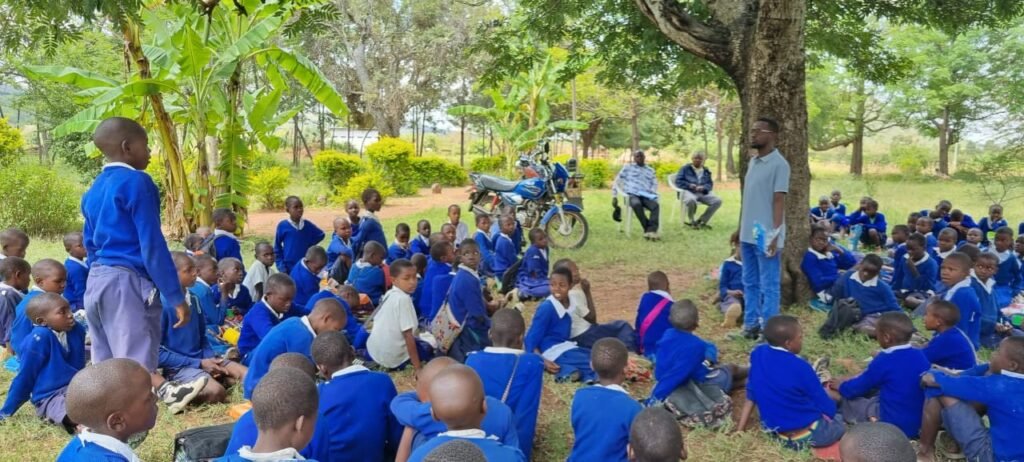
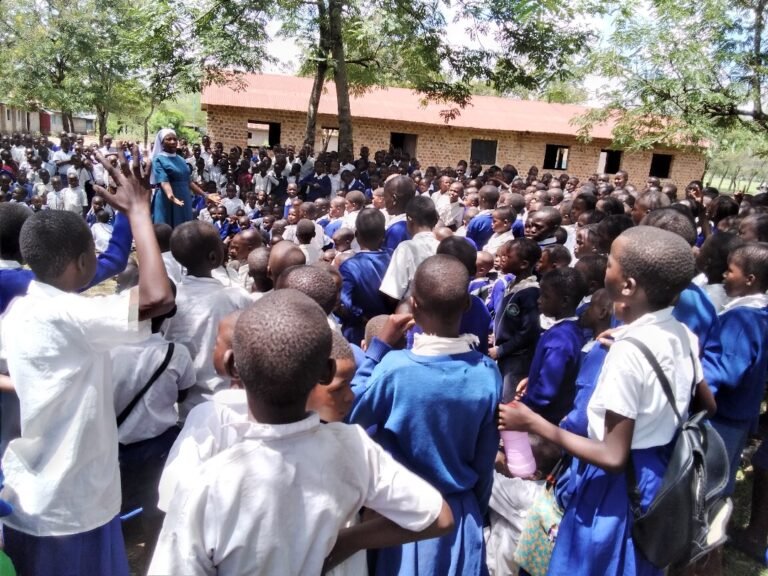
We fulfill our objectives by visiting primary and secondary schools where we meet with students and provide education on issues of gender-based violence, particularly female genital mutilation (FGM). In the Mara region, across four districts—Tarime, Serengeti, Butiama, and Rorya—we have reached 7,200 students from 59 primary schools and 20 secondary schools, educating them about the health harms of FGM.
We provide students with strategies to avoid FGM in their areas, as well as a contact number (116) for a call center to receive immediate assistance. After visiting these schools and providing this education, children began reporting issues related to gender-based violence, especially FGM, to us and their teachers. Some children, upon receiving this education, have gained the confidence to speak up and make decisions to report cases and seek help, resulting in their rescue and placement in safe temporary shelters.
We established safety and security desks inside and outside all primary and secondary schools, following government guidelines. About 58 desks have been set up in both primary and secondary schools. These desks include 12 student representatives from each class (two representatives), two guiding teachers, the head teacher, and one member of the school board.
The goal of these desks is to provide students with a platform to discuss the harmful effects of gender-based violence, including FGM, in their communities under the guidance of their teachers. Students receive education on gender-based violence and report any incidents they encounter within or outside of school to their guidance teachers. The guidance teacher will present these case reports to the head teacher for resolution. If the issues exceed the head teacher’s capacity, they will refer them to the relevant authorities and report them to the ward executive officer.In these desks, students and their guiding teachers continue to meet and educate each other on the effects of FGM and other gender-based violence issues through songs, dramas, and poetry that oppose FGM.
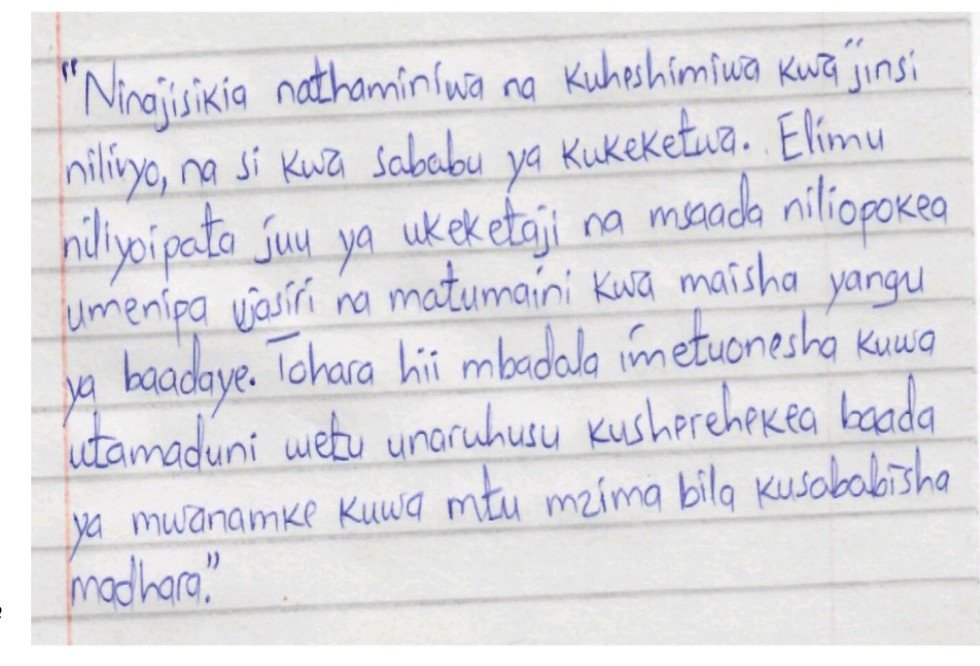
Distribute papers to students and ask them to write about any cases of gender-based violence, particularly female genital mutilation (FGM), that they themselves have experienced or heard about regarding a classmate’s parents planning to subject them to it, without identifying their names. Then, collectively present these cases to the teachers of guidance, the head teacher, and district welfare and development officers. The paper have no names of students.
We provide advice to individual students who need it, based on the challenges they face at school and outside of it. Through this service, children approach sister counselors to express the challenges they face in the community and their families, especially difficult living conditions, parental refusal to fund their education, and the threat of FGM. The sisters provide advice and education on how to avoid these harmful traditions. More than 1,300 children have received counseling and support.
We provide education to district-level leaders, about 120 including the district executive officer and relevant departments such as basic education, secondary education, economy and planning, health, community development, and school quality inspectors. The goal is to inform them about FGM and provide reports on the activities conducted and challenges faced during project implementation, as well as educate them about the health risks of FGM. These senior government leaders, in turn, issue public statements against gender-based violence, especially FGM, in their meetings and workplaces, particularly in low-income villages and wards. After this education and reporting, leaders made resolutions through district heads and relevant department heads to cooperate in efforts to combat gender-based violence in the Mara region.
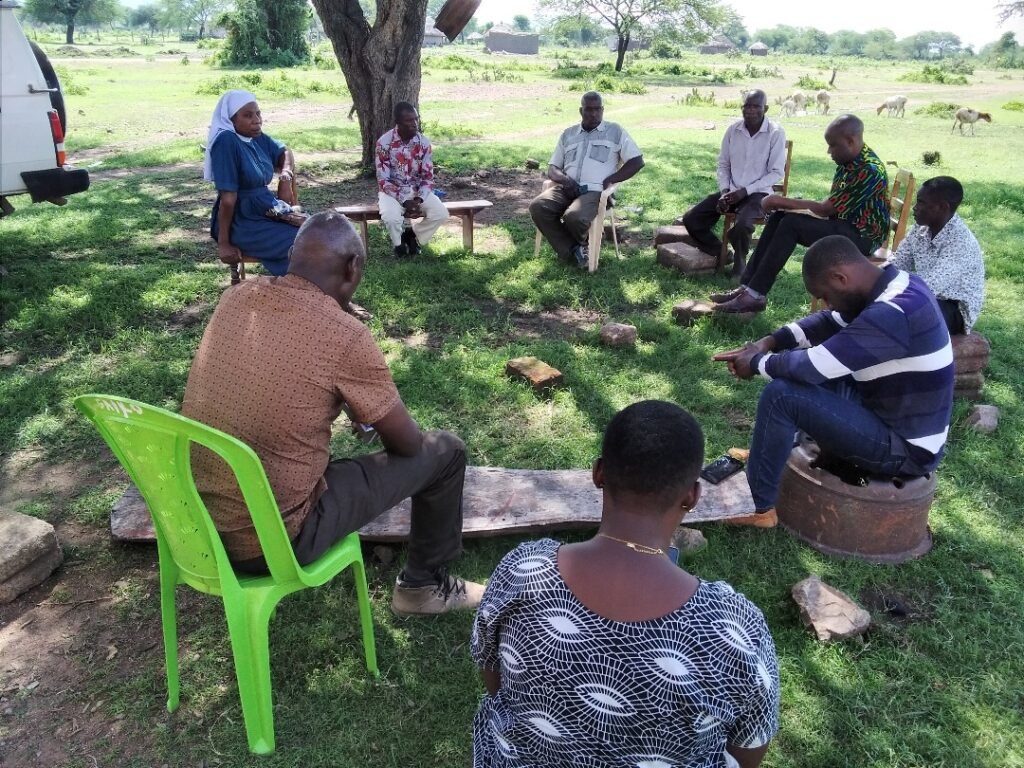
We conduct meetings with 600 local leaders, including village leaders, village committees, ward leaders, and religious leaders, to discuss issues of gender-based violence, particularly FGM. We provide education on the harmful effects of FGM on girls and women, and create a joint resolution on how to eradicate this form of gender-based violence by discussing it in their community meetings and making it a permanent agenda. After receiving education, these leaders began implementing these resolutions by holding meetings in their areas to raise awareness and condemn issues of gender-based violence, especially FGM. They have made FGM a permanent agenda item in their meetings and collaborated with CSN-AGBV to provide education to parents both in schools and during community meetings. These leaders also continue to receive reports of gender-based violence and address them.
We held joint meetings with religious leaders from various denominations and educated them about gender-based violence in our areas, particularly FGM. We emphasized that it is our duty as religious leaders to condemn these harmful traditions in our places of worship. We also resolved to work together with these leaders to educate their congregations and inform cultural elders, who are often the source of these oppressive customs. We provide education to youth groups, especially boys, who can also be instigators of gender-based violence in the community, about the harmful effects of gender-based violence, particularly FGM. We meet with cultural elders to educate them on the effects of FGM in society, urging them to abandon these harmful traditions, as contemporary life differs significantly from the past, and FGM only leaves lasting harm on girls.
Sisters Network support 1,360 girls received safe shelter and comprehensive care, including training in alternative, non-harmful rites of passage and access to essential health services. 1,070 children received psycho-social support, alternative transition to Christian rites of passage, and healthcare services when we met with them at school. Of the 292 girls rescued who were at high risk of mutilation, these victims of FGM were sheltered at ATFGM Masanga and Jipe Moyo shelters, where they received training on the termination of FGM and sexual reproductive health rights. They also received services such as psycho-social support and healthcare services. Out of these, 251 were reintegrated into their households; 33 girls remain at the two shelters, and 25 girls are currently undergoing practical vocational training in tailoring at Jipe Moyo Centre and ATFGM Masanga. They have also been linked to VETA Mara for a one-month course in various skills such as cooking (2 girls), computer literacy (5), electrical installation (2), hairdressing (1), and batik making (1). Others continue their education in government schools. This training has empowered the girls with practical skills for self-reliance and economic independence. Additionally, structured alternative rites such as Christian ceremonies offered the girls culturally respectful options that uphold their dignity without harm.
In collaboration with government we reintegrated about 252 girls in their house hold from our temporary safe houses, this reintegration conducted together with provision of education to parents on dangers of FGM to girls, then we agree with sign the agreement not circumcise girls by doing so law and regulation will be taken to parents, or anyone who will participate in circumcise girls and we continue conduct overseen progress to those girls.


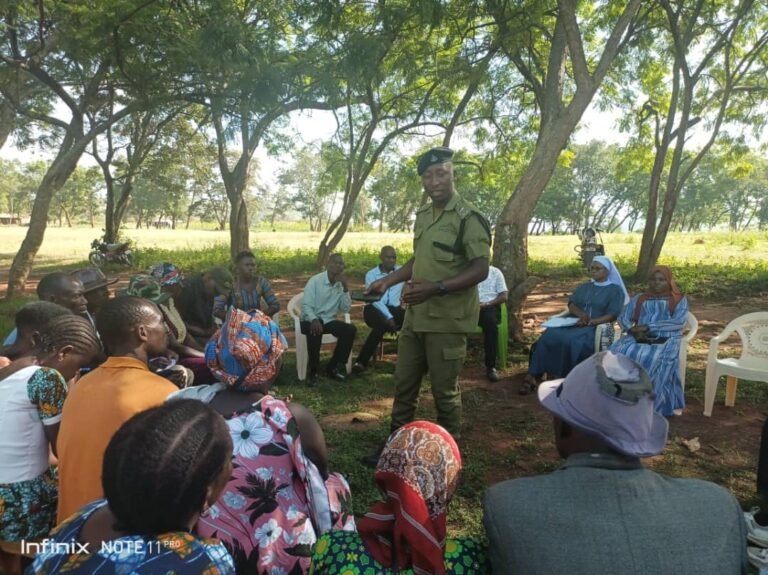
SUCCESS STORIES!
First Success Story
Claudia’s Journey after escaping from FGMClaudia is 14 years old from Kwisaro village in Butiama District, she was expected to undergo Female Genital Mutilation (FGM) in December 2024. In the past, Claudia had learned about the dangers and damages of FGM. She knew it could cause serious health problems and even death. When the time came for the FGM ceremony, Claudia felt scared and confused. She decided to escape. With the help of a trusted teacher, she went to the police station at Kiagata. The police officers listened to her and understood her fear. They helped her and her younger sister to escape from such a retrogressive traditional practise. “I remember the fear, the terror that gripped me. My aunt, the person who was supposed to protect me, was preparing to harm me. But I knew I couldn’t let it happen. I had to escape, not just for myself, but for my sister too.” Said Claudia Claudia and her young sister were taken to the Jipe Moyo Shelter. At the shelter, they received food, medicine, and counseling. They learned valuable life skills and felt safe and supported. She is now a strong and confident young woman, determined to make a difference in her community. “Jipe Moyo Centre became my shelter. They gave me food, medicine, and most importantly, they listened. They helped me understand that what happened to me was wrong, that I deserved to be safe and happy. And now, I’m determined to build a better future for myself, to show that even after such a terrible experience, I can still achieve my dreams.” Said Claudia, |
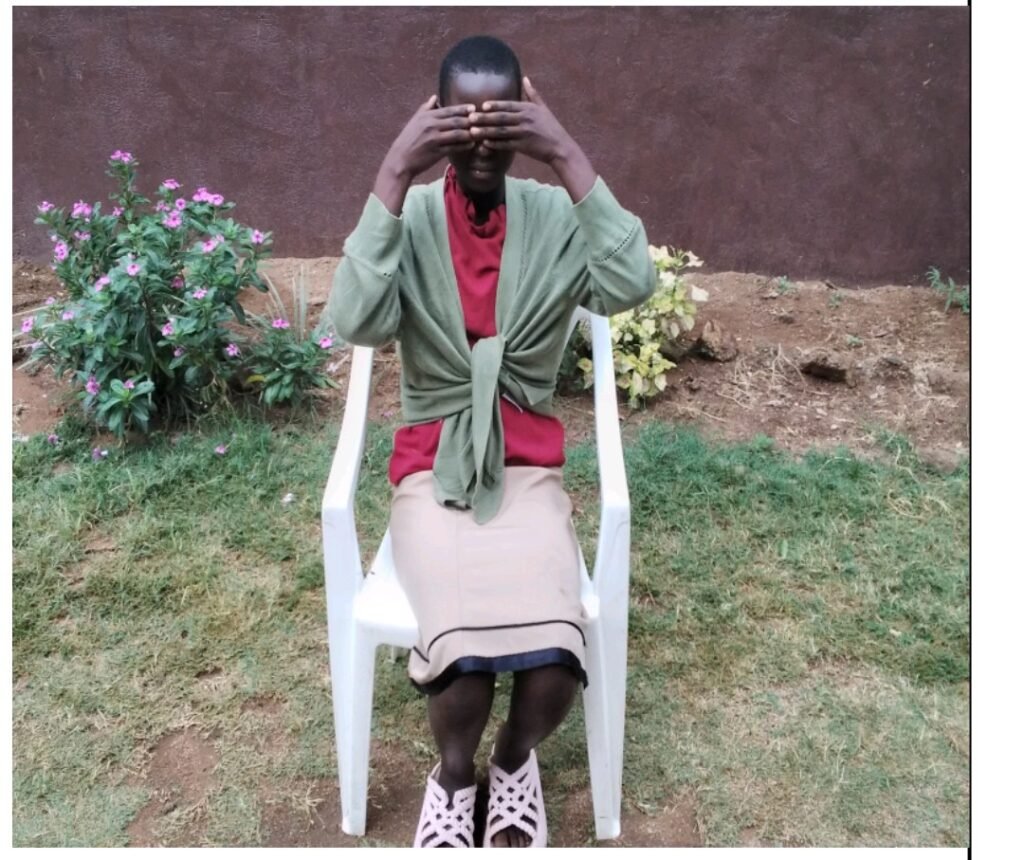
Second Success Story
A Girl’s Courageous Stand Against FGMOne girl whose name is withheld for child protection purposes, is 15 years old, a form four student at Baranga secondary school in Butiama District. She comes from Baranga village in Buswahili ward where most girls are expected to undergo female genital mutilation (FGM) as a rite of passage. Her family depends on small scale farming, and the family’s income is low. Education has always been a challenge due to both financial constraints and traditional expectations placed on girls. The girl said, “In our community, it’s common for girls of my age to drop out of school due to FGM followed by early marriage.” Before community empowerment for termination of FGM project introduced to Baranga secondary school, she was very afraid. Her aunt and some neighbors had already started pressuring her parents, saying she should “become a woman” through FGM. She felt unsafe, even in school, because she had no one to talk to about it. He was worried that she would be forced to go through the same painful experience that her older cousin had gone through two years ago and dropped out of after that.When the project started at Baranga Secondary School, she joined the child protection and safety desk that was formed. They received training on children’s rights, how to report violence against children, and how to use art and drama to speak out against FGM. They held school debates, created songs, and performed skits showing the dangers of FGM. As part of our activities, we created safe spaces where girls like me could speak freely. We worked closely with teachers and even had some sessions with parents and school committee members. The biggest change for her is that she now feels safe and empowered. she was able to talk to her teacher about the pressure she was facing at home, and her teacher supported her by involving the school’s child protection team. They spoke to her parents and educated them about the risks of FGM and the importance of my education. Because of this, her parents agreed not to force her into practice.She became a strong voice for other girls in my school. she now leads sessions with other students and helps them understand that FGM is harmful and not necessary for being respected or accepted. “This project gave me knowledge and courage. I now know my rights and I am not afraid to speak up for myself and for other girls,” The girl said proudly.This change is special to her because it saved her future. Without this project, she might have dropped out of school and been forced into early marriage after undergoing FGM. Now, she dreams of becoming a lawyer so I can continue helping girls and women in her community. He has found her voice, and she know that education is her power. “Before, I thought FGM was something every girl had to go through. Now I know the truth that we have the right to say no, and the right to be safe,” She explained. |
Third Success Story
Neema’s Journey to Safety and Empowerment
Neema Chacha (Not real name) is a 15-year-old girl from Baraki Ward in Rorya District, Mara Region. She is the second-born in a family of six children. Her parents are small-scale farmers with very limited income, traditional beliefs and cultural practices such as Female Genital Mutilation (FGM) are still widely practiced in her community.
Before the Community Empowerment for Termination of FGM project began, Neema’s life was filled with uncertainty and fear. At the age of 13, she dropped out of school after completing Standard 7 due to social pressure and financial hardships at home, her family had already begun making arrangements for her to undergo FGM as a passage into adulthood. To escape this fate, Neema went to Mwanza where she worked as a house girl for two years and six months. During her time away, she endured hardship, low pay, and lack of access to education, and was often homesick. “I felt like my dreams had died’, “All I wanted was to get a chance to learn and become a teacher”
During the sensitization program at Binaso Primary school one of the student reported a case of Neema who run away from her home because she is needed to be circumcised and get married to an old man who live near to Neema’s house. From there a project team in collaboration with police officers we started to make efforts for her to be back at school, Fortunately Neema accepted our intentions and now she is back to her studies at standard seven where she is pursuing well in her studies. We are so happy and proud about Neema who is now a good role model and figure to other girls, parents, peer groups and the whole community at large.
This is evidenced by her words when she said “The biggest change in my life is being back in school” Neema says with a smile. “Before this project, I thought my life was over. Now, I feel alive again”. Neema has also become a peer mentor, inspiring other girls in her village to speak up and pursue their education.“Yes, this change is very special to me. It has given me my life back” she says. “Now I believe in myself. I want to be a teacher and help other girls know they have a right to say no to FGM and yes to education.”
Neema believes the project has already done a lot but suggests that it could be improved by continuing in Provision of learning materials and school uniforms to girls returning to school and Increasing outreach to remote villages where FGM is still secretly practiced
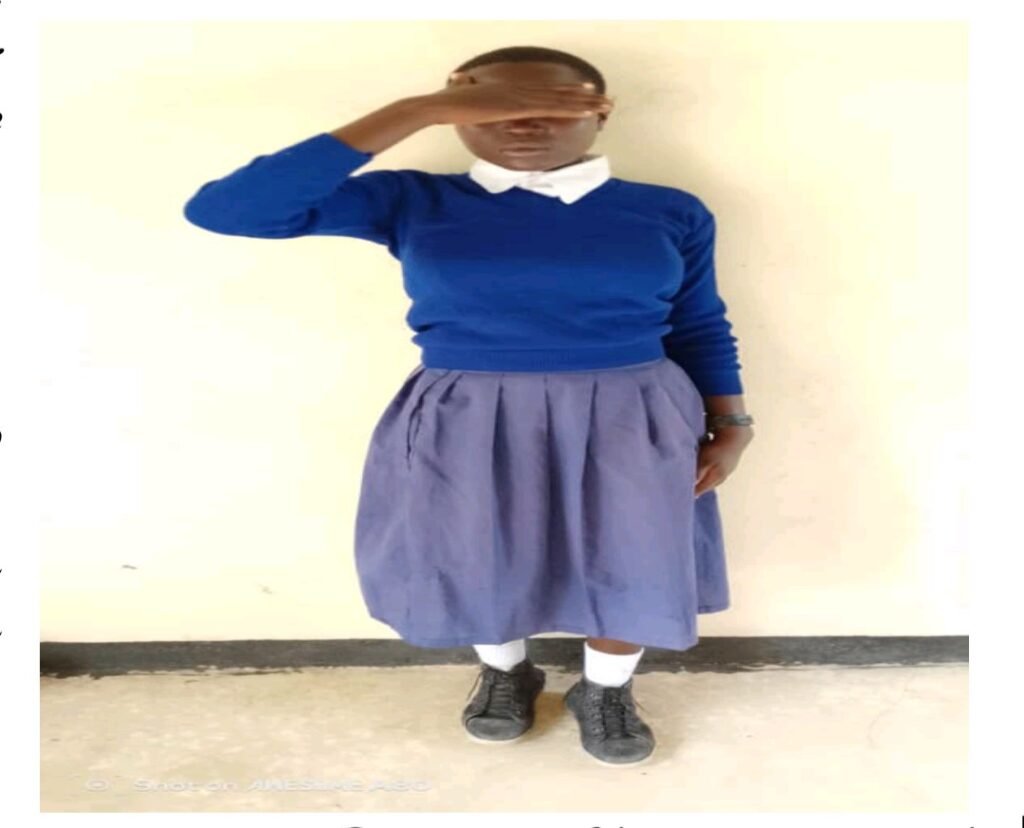
Fourth Success Story
Beyond Tradition, Butiama’s Journey to End FGM Butiama District Social Welfare Officer (DSWO) Aminan Mfinanga, a key partner with Jipe Moyo Centre on the TFGM project, notes an inspiring transformation in Sirorisimba and Buswahili wards. Project’s comprehensive approach, encompassing sensitization, education, and collaboration, has demonstrably shifted attitudes against deeply rooted FGM practices. Notably, school programs have empowered youth with vital knowledge, leading to children actively speaking out and becoming advocates for change within their communities. Aminan Said “Our school sensitization programs have been particularly effective in empowering both girls and boys with knowledge about the harmful effects of FGM. I recall one instance where a young boy, after attending our session, bravely spoke out against the practice during a community gathering. As he eloquently put it, “We have learned that FGM is not a tradition to be proud of, but something that hurts our sisters and limits their future. We, as boys, have a responsibility to stand with them.’ This demonstrates the power of education in creating a generation that actively advocates for change.” The provision of alternative rites of passage has been a cornerstone of the project’s success in reducing the practice itself. “Offering shelter, training, and guiding girls through alternative rites has provided a safe and empowering pathway for girls to transition into adulthood without undergoing FGM. One of the girls who went through the alternative rite shared her experience with such strength, saying, ‘I feel valued and respected for who I am, not because of a harmful cut. The training and support I received have given me confidence and hope for my future. This alternative rite has shown us that our culture can celebrate womanhood without causing harm.’ This demonstrates the tangible benefits of providing culturally relevant yet safe alternatives”. Educating government leaders and local authorities about the health risks and human rights violations associated with FGM has been paramount in fostering a supportive environment for change. The district social welfare office has experienced a significant increase in their commitment to enforcing laws against FGM and actively participating in community dialogues. One local community leader shared with the social welfare office, ‘Initially, I viewed FGM as a deeply rooted cultural practice that was difficult to challenge. However, understanding the severe health consequences and the fundamental rights being violated has completely changed my perspective. We now recognize our responsibility to protect our girls and support initiatives that promote their well-being.’ This shift in leadership is vital for social change. |